The GLYN Journal
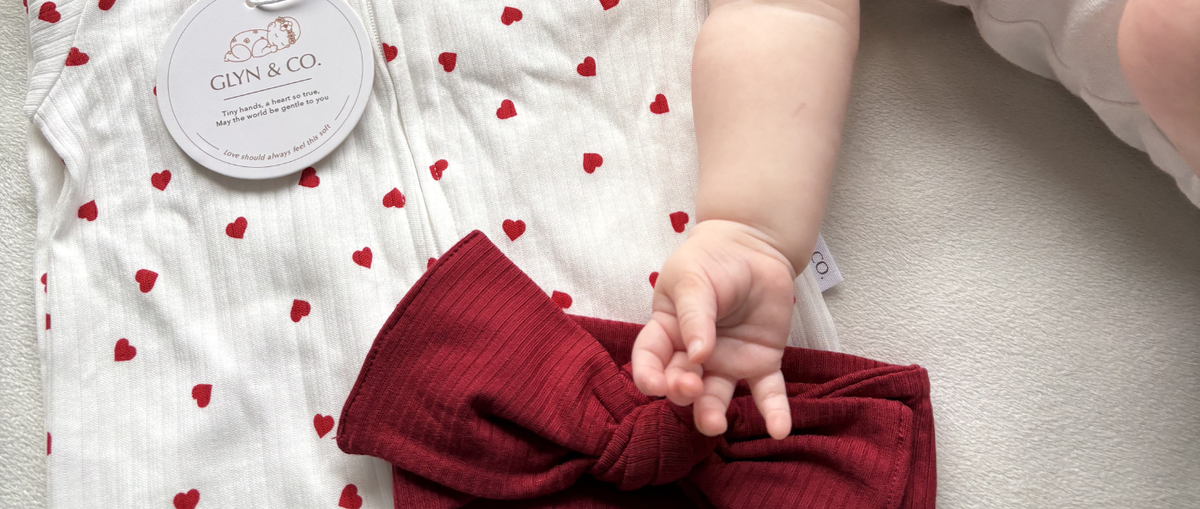
Why Long-Staple Cotton Feels Softer Against a Baby's Skin
The length of a cotton fibre quietly shapes how soft and lasting a garment feels. Discover how combed long-staple cotton spins a smoother, pill-resistant yarn that stays gentle against a baby's del...
Read more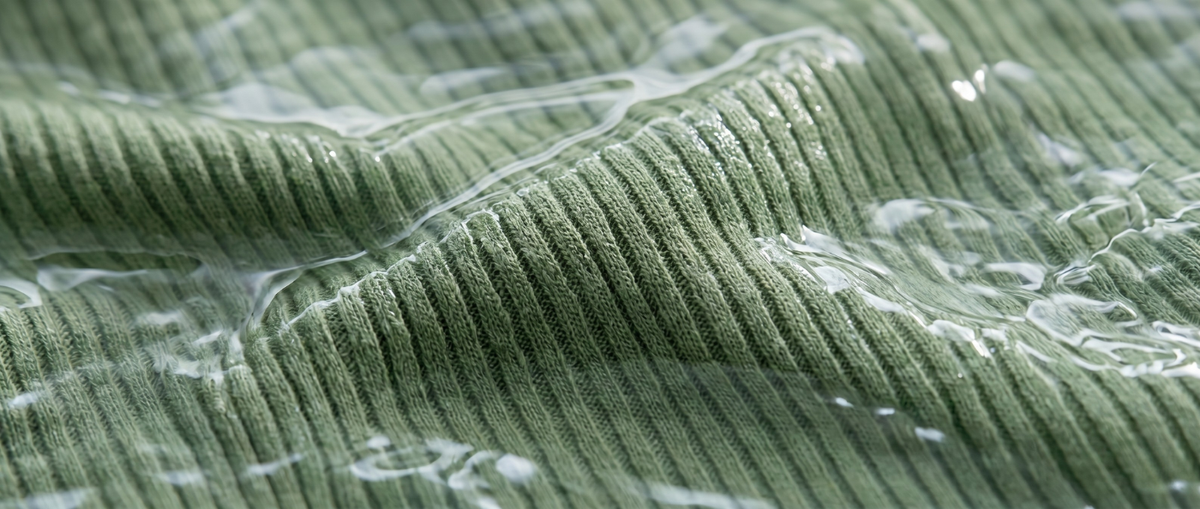
The Chemistry of Colour: Why GLYN & CO. Chooses Low-Impact Dyes
The way a fabric is coloured shapes how soft it feels and how well its colour lasts. Discover how low-impact fibre-reactive dyes bond into the cotton itself, keeping GLYN & CO. pieces soft and ...
Read more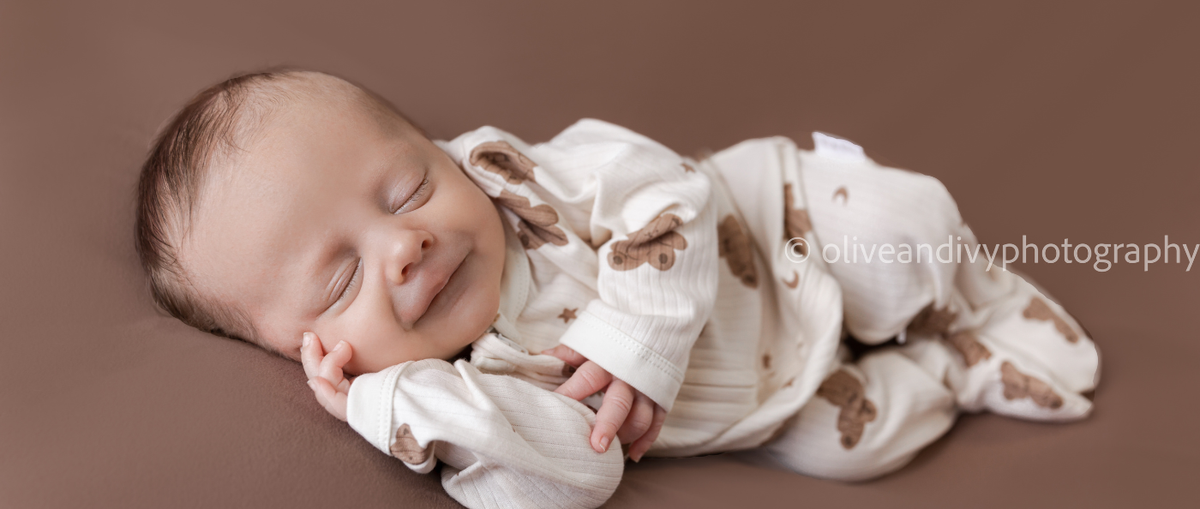
How a Newborn's Skin Develops, and Why the First Layer Matters
A newborn's skin is delicate and still developing, which is exactly why the first layer they wear matters. Discover how a soft, breathable, independently tested fabric makes the daily experience of...
Read more
The Science of Gentle Hues: Understanding Low-Impact Dyes for Baby Clothing
The way a fabric is coloured shapes how soft it feels and how well its colour lasts. Discover how low-impact fibre-reactive dyes bond into the cotton itself, keeping GLYN & CO. pieces soft and ...
Read more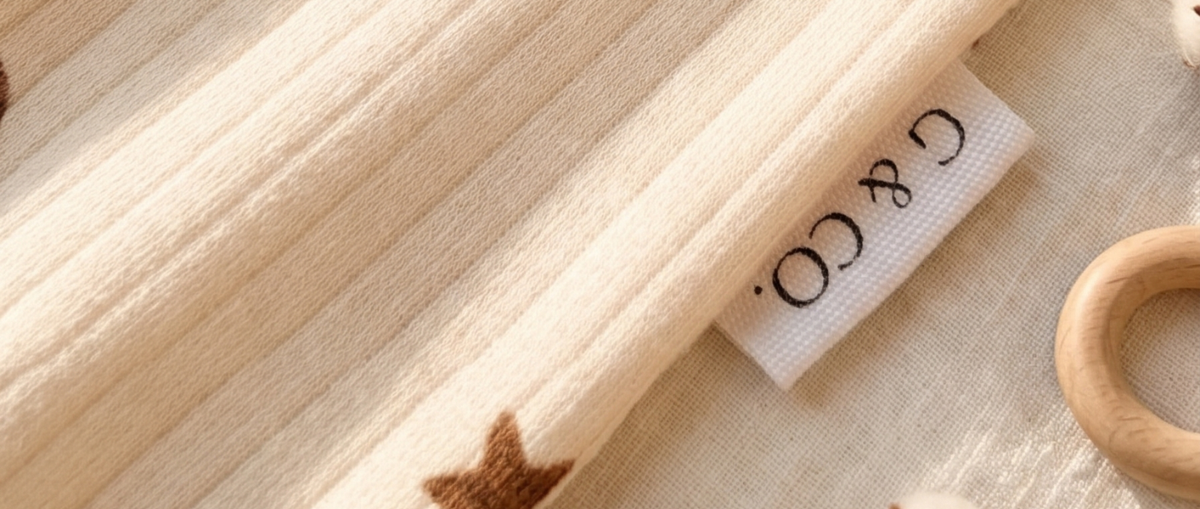
The Functional Luxury of Texture: Ribbed Cotton vs Standard Jersey for Baby Skin
The texture of a fabric quietly shapes how it feels and fits. Discover how a ribbed knit gives natural stretch and breathable comfort through its structure, and why GLYN & CO. chose a textured ...
Read more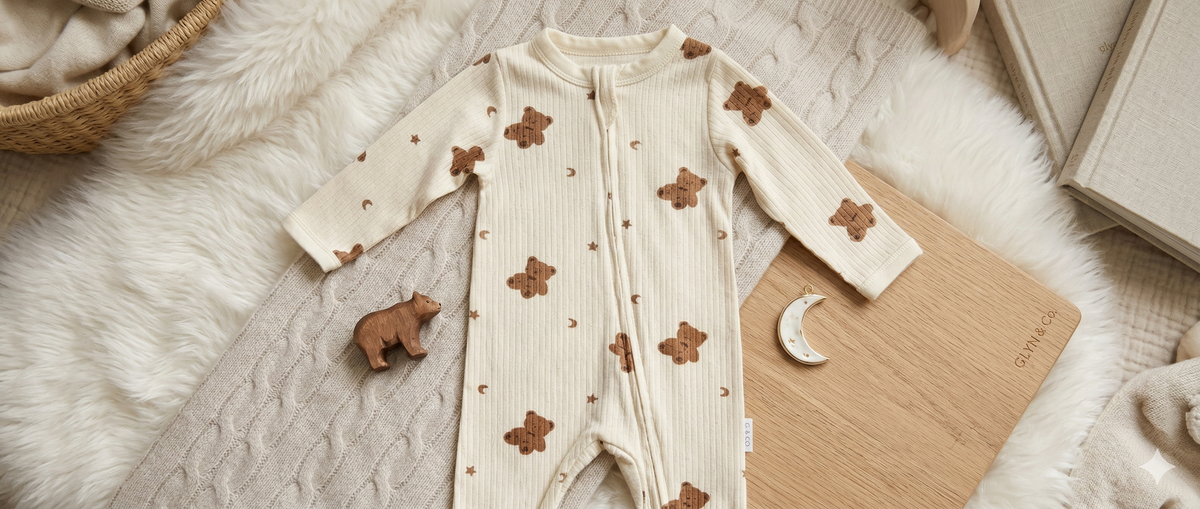
Beyond 100% Cotton: Why Certification Matters Most
The words 100% cotton tell you what a fabric is made of, but not what happened during manufacturing. Discover why independent finished-garment certification adds the reassurance a content label can...
Read more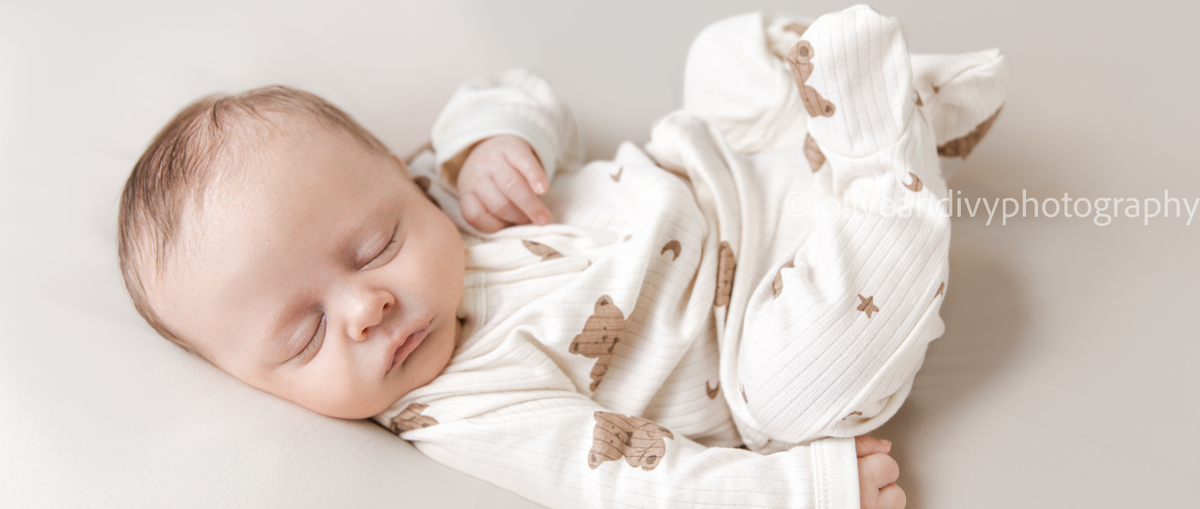
Organic vs. OEKO-TEX: What's the Difference, and Why It Matters
Organic and OEKO-TEX labels sound similar but answer different questions. Discover what organic certification actually regulates, what OEKO-TEX Standard 100 Class I tests, and why both matter when ...
Read more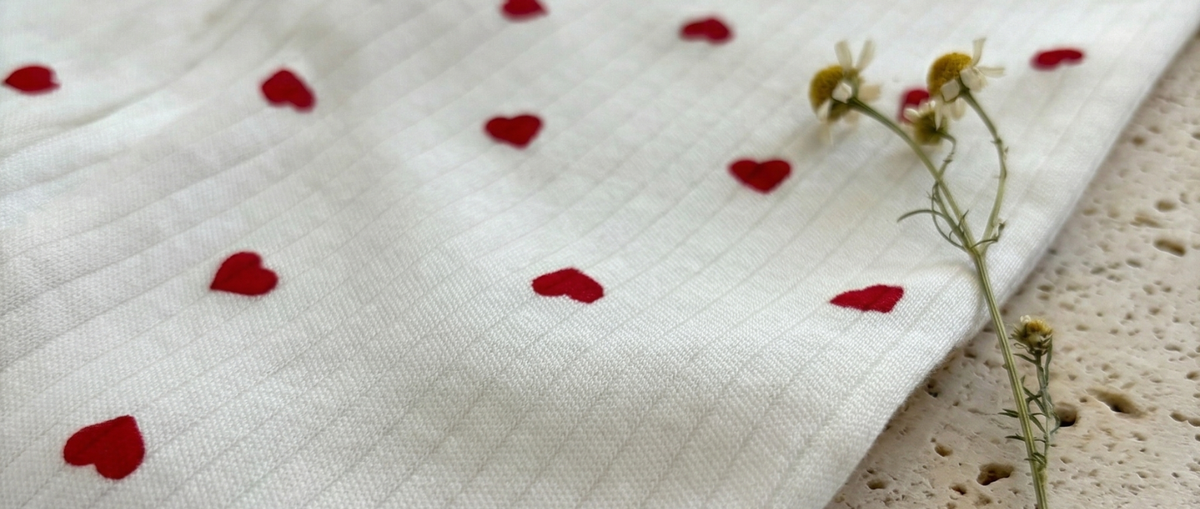
Why Softness Comes First: Comfort Against Delicate Skin
Softness is more than a nice detail; it is one of the first things a baby responds to. Discover why a smooth, well-made fabric helps a little one stay comfortable and settled, and how lasting softn...
Read more
The Parent's Guide to Textile Safety: Why Certifications Matter.
A 100% cotton label tells you what a fabric is made of, but not what happened during manufacturing. Discover what OEKO-TEX Standard 100 Class I actually tests, and why finished-garment certificatio...
Read more
SAFE, CERTIFIED MATERIALS
OEKO-TEX® Standard 100 (Class I) certified fabrics, gentle for newborn skin.

DESIGNED FOR COMFORT
Thoughtfully made for softness, stretch, and ease throughout the day.

EASY CARE
Durable fabrics that wash well and stay soft, wear after wear.

TRUSTED BY PARENTS
Created by parents, tested in real homes, loved by families.