The GLYN Journal

The philosophy behind GLYN & CO. and why exclusivity was never about the price tag.
Read more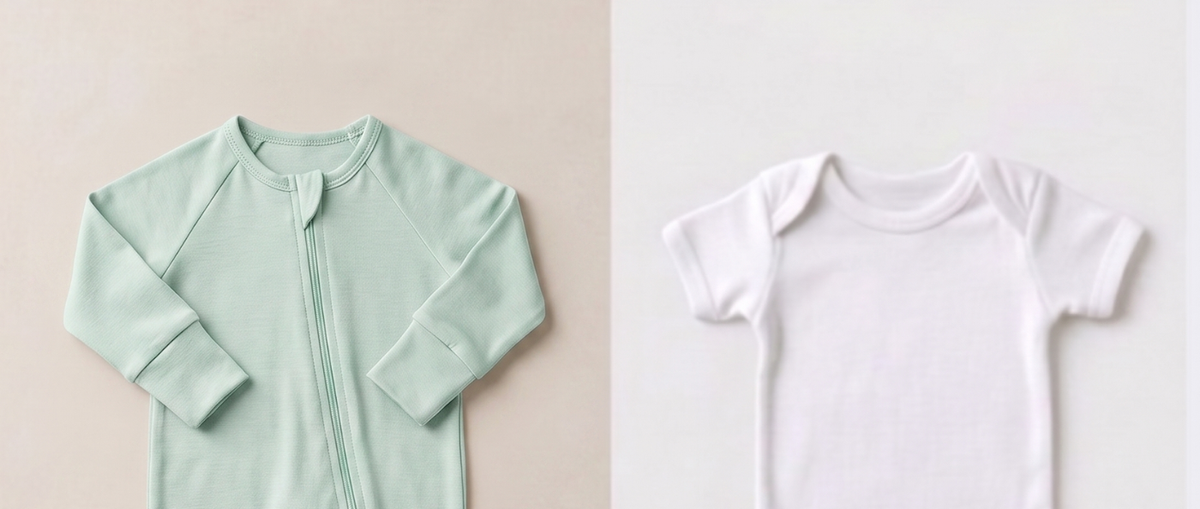
Why Bamboo Pills (And Cotton Doesn't): A Guide to Fabric Care for Baby Clothing
Noticed tiny bobbles on a soft bamboo romper? Nothing has gone wrong. Discover why bamboo viscose pills more than cotton, whether it signals lower quality, and the simple way to wash and care for b...
Read more
The Aesthetic Nursery: How to Build a Calm, Quiet-Luxury Space, Slowly
A calm nursery is built slowly, not all at once. Discover how a neutral palette, layered natural textures, and a few well-made pieces create a quiet, restful space that grows with your baby.
Read more
The Weight of the Smallest Things: Savoring the Fourth Trimester
Folding tiny newborn clothes can bring an unexpected wave of emotion during the fourth trimester. Discover how the physical items touching your baby act as soft anchors for your earliest memories, ...
Read more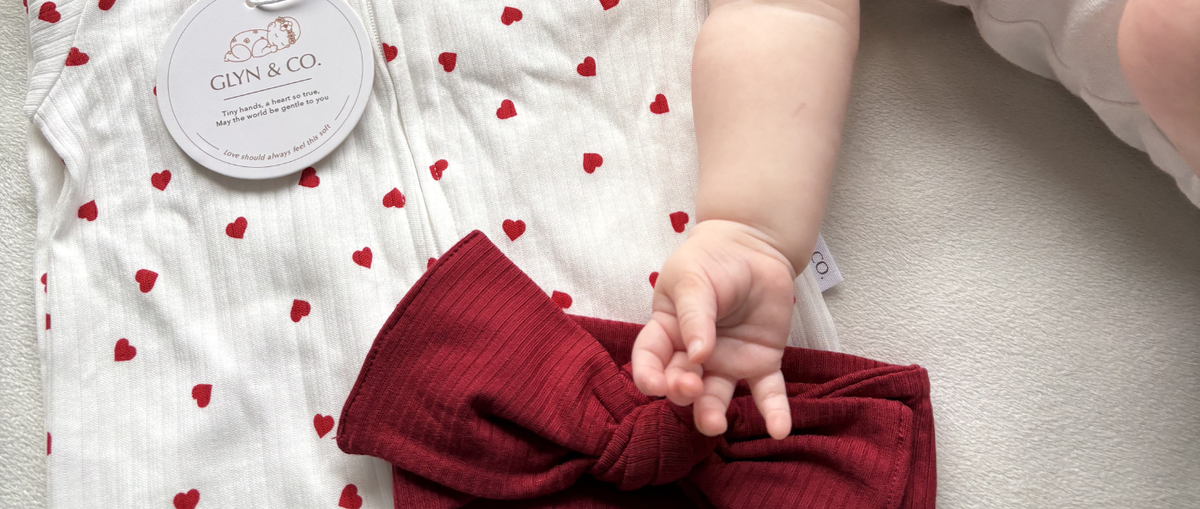
Why Long-Staple Cotton Feels Softer Against a Baby's Skin
The length of a cotton fibre quietly shapes how soft and lasting a garment feels. Discover how combed long-staple cotton spins a smoother, pill-resistant yarn that stays gentle against a baby's del...
Read more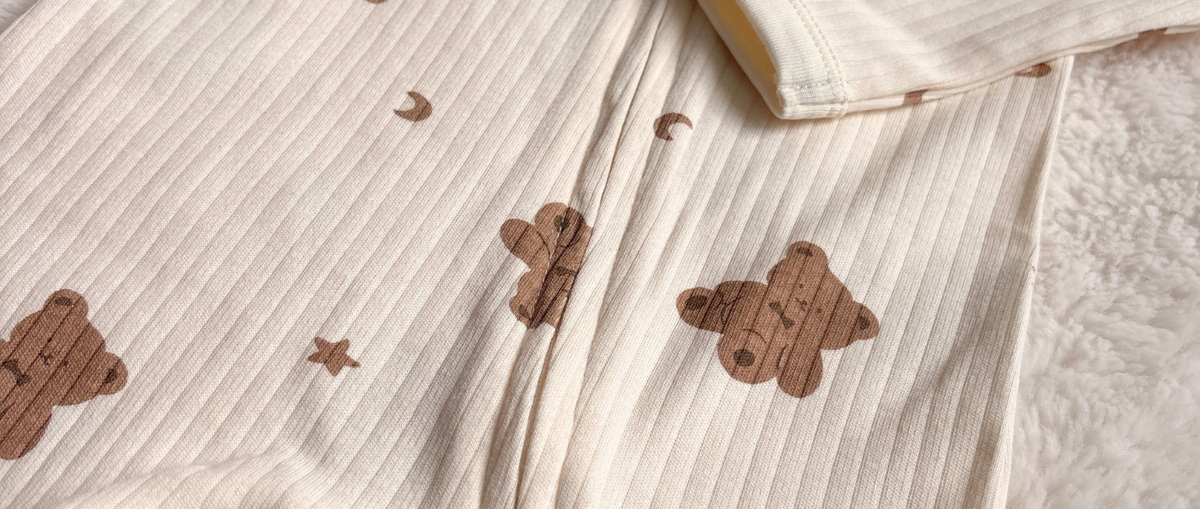
Beyond the Fabric: How to Think About Closures on Baby Clothes
Garment safety isn't only about the fabric. Discover what thoughtful closure design pays attention to, and how independent finished-garment certification offers reassurance about the whole piece, n...
Read more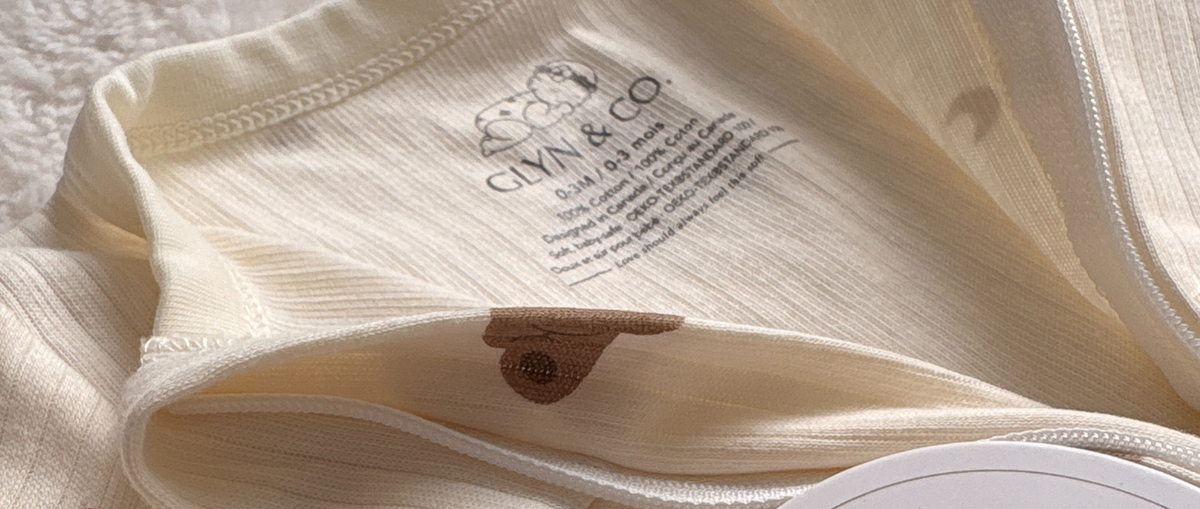
Flame Retardants and Baby Clothing: A Plain Guide for Parents
Flame-retardant rules for children's clothing are technical and vary by region. A plain, general guide to what these treatments are, why some sleepwear uses them, and how to think about the topic, ...
Read more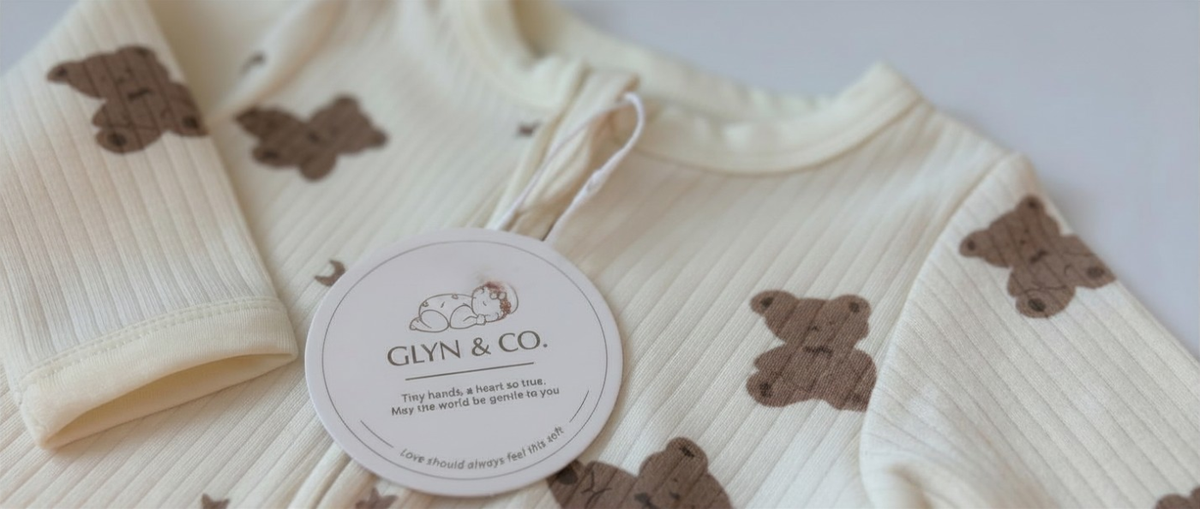
pH and Fabric: Why a Gentle, Well-Made Layer Matters for Baby Skin
A baby's skin naturally settles into its own gentle balance over the first weeks. A plain guide to what skin pH and the acid mantle are, and why a soft, breathable, gently finished fabric is a kind...
Read more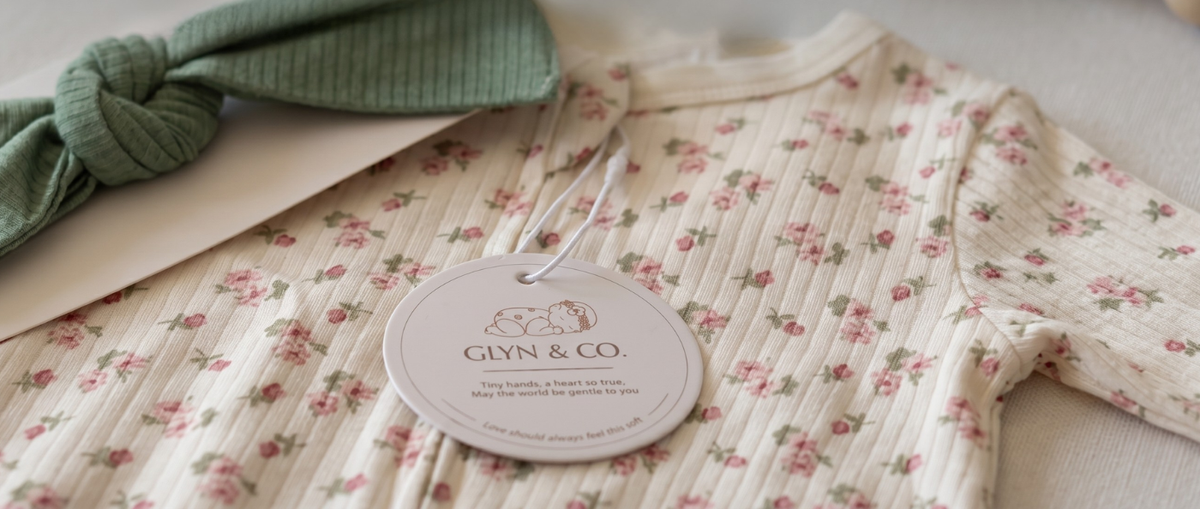
The Physics of GSM: Why Fabric Weight Signals Quality
GSM is a quiet quality signal that rarely appears on a label but tells you how a garment will feel, wear, and last. A plain guide to what fabric weight means, why it matters, and the considered wei...
Read more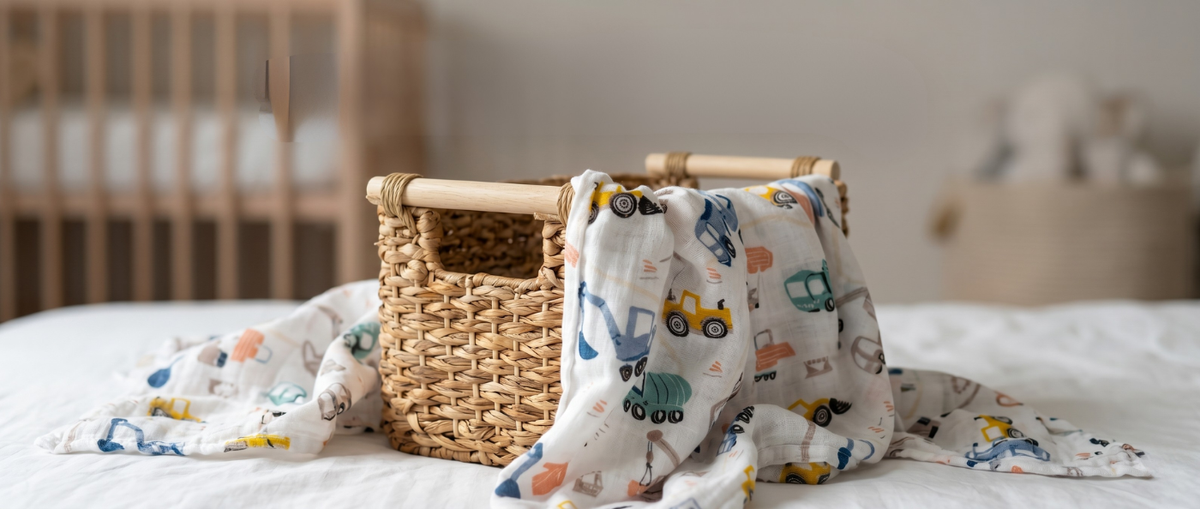
Wrinkle-Free Finishes, and Why We Finish Our Fabric Gently
Wrinkle-free and easy-care properties often come from chemical finishes. Discover why GLYN & CO. chooses gentle, mechanical finishing instead, and lets a substantial, quality knit hold its own ...
Read more
SAFE, CERTIFIED MATERIALS
OEKO-TEX® Standard 100 (Class I) certified fabrics, gentle for newborn skin.

DESIGNED FOR COMFORT
Thoughtfully made for softness, stretch, and ease throughout the day.

EASY CARE
Durable fabrics that wash well and stay soft, wear after wear.

TRUSTED BY PARENTS
Created by parents, tested in real homes, loved by families.